
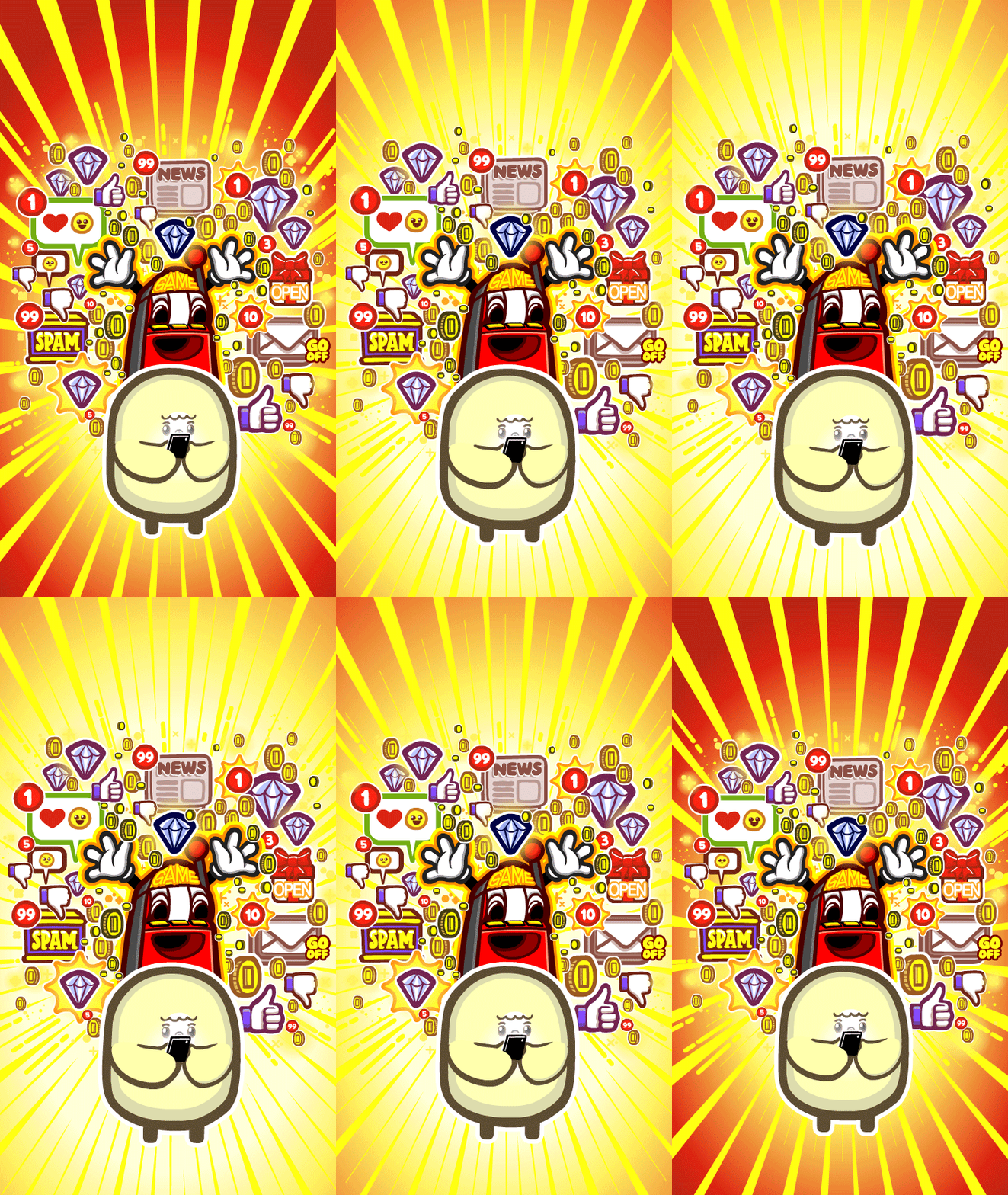
Here are a couple problems and solutions:
Red Notifications are associated with danger and require immediate reaction. This constant state of alertness known as “continuous partial attention” can leave individuals feeling perpetually on-call, heightening feelings of constant anxiety.
Solution: Take account of each individual piece of tech/app/notification involving your attention. Digital minimalism asks us to consider which ones of these are “needed” vs. “optional.” Our phones offer us a swiss army knife of tools and services, but the net gain does not come from unlimited access to all things at all times. In fact, this plethora of things hurt our focus and productivity, watering down all tasks that coincide with it. The maximized human ability comes from finding more focus on single tasks at hand. Turning off or limiting notifications to the ones that are most needed is one way to hone in more efficiently on the people & tasks that most need our attention.
Intermittent Rewards are systems with addictive instant feedback, encouraging repetitive compulsive behavior. Social rewards ie: views, likes, messages, are the most addicting because of their sense of social pressure, maintaining social tribe upkeeping.

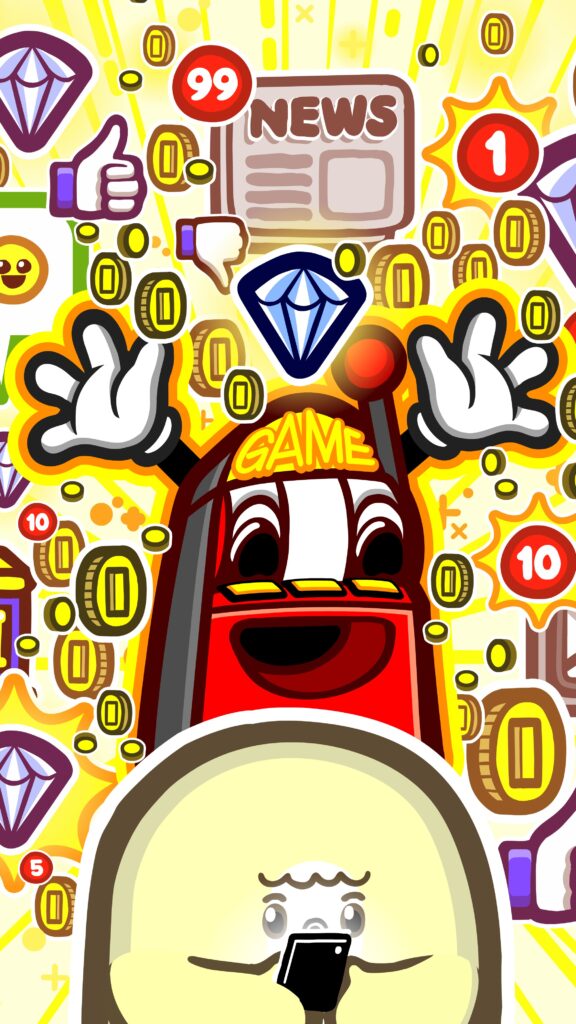
Solution: The reward system of dopamine remains the most widely exploited system in the world of addictive tech, keeping users engaged and hooked. Many behavior systems are learned. This means that they can also be unlearned. The unfortunate truth of intermittent rewards is that the addictive properties of this behavior are still classified as learned skills, our brains just aren’t able to distinguish the difference. Allowing a digital declutter, allowing brains to rest for a suggested 30 days, taking a break from addictive optional technologies, gives us the ability to quiet the low grade level of anxiety. Only then, we can find clarity to see ourselves from outside looking in at the way that addictive tech has placed a spell on us.